






















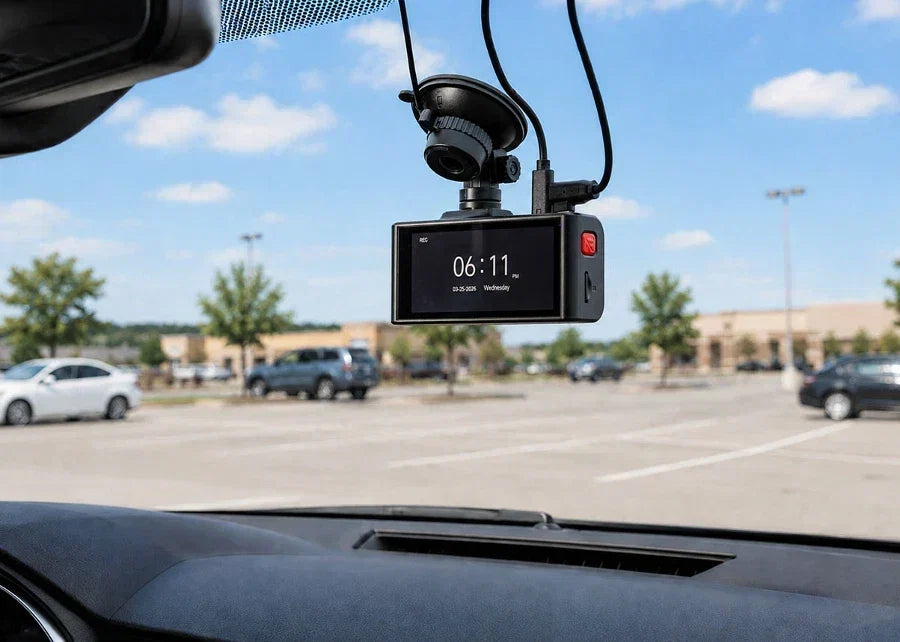
Knowing how to protect your car when parked outside is something most drivers only think about after an incident. Such wrongdoings happen constantly and almost always occur when nobody is watching.
Gruven Parts says nearly three-quarters of Americans regularly park their vehicles outside. Research suggests as many as one in five of those cars will sustain some form of damage from outdoor parking.
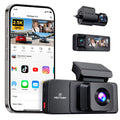
Reckless drivers, theft, weather, and vandalism make an unguarded parked car highly vulnerable. Only parking mode on a quality dash cam can keep recording + watching when you’re nowhere near your car.
Why Cars Parked Outside Are More Vulnerable Than You Think
Most vehicle damage happens when the owner isn’t present. Hit-and-run drivers leave no information. Vandals work fast and quietly. Thieves case vehicles at night.
There’s no way to know what happened or who did it without witnesses or a recording cam. The scale of the problem is larger than most drivers realize.
The NICB reported 850,708 vehicle thefts in the United States in 2024 alone. FinanceBuzz says over 255,000 of those occurred in public parking areas, including roads and sidewalks.
Hit-and-Run Accidents
Parking lot collisions where the at-fault driver simply leaves are among the most common incidents. No witness or footage means no recourse. Insurance claims without evidence are often disputed or result in split-fault determinations.
Vehicle Theft
Public streets and parking lots account for the majority of vehicle thefts. Thieves often scout vehicles before acting. A visibly mounted camera is itself a deterrent; an actively recording camera becomes evidence if deterrence fails.
Vandalism and Keying
Keying, graffiti, and deliberate scratching happen at night. And the perpetrator is gone in seconds. Without footage, identifying the responsible party is nearly impossible. Even the insurance coverage for vandalism requires a police report.
Break-Ins
Car break-ins are frequently opportunistic. It can be a visible bag on the back seat, a charging cable in the center console, or simply the appearance. Even when nothing of value is taken, a broken window can cost hundreds of dollars.
Hail and Falling Objects
Weather doesn’t discriminate. Damages from an afternoon thunderstorm can generate a repair bill averaging $4,000–$5,000, according to the Insurance Information Institute. It can be almost anything that adds to the physical risk of outdoor parking.
Overnight Unidentified Damage
Returning to a scratched, dented, or damaged car with no note/witnesses is one of the most common parking frustrations. No documentation means no claim, accountability, or remedy beyond paying out of pocket in such incidents.
Why Traditional Car Protection Methods Have Limits
Steering wheel locks, alarms, car covers, security lights, and well-lit parking spots all reduce risk in meaningful ways. However, none of them record what actually happened.
Steering Wheel Locks
A steering wheel lock is a visible deterrent that slows down a potential thief. Most car thieves are opportunists who will move on to an easier target when they see one.
Car Alarms
Alarms alert people nearby. But alarm fatigue is real, as most bystanders no longer react to car alarms because false triggers from passing trucks or wind are so common.
Car Covers
A cover protects against UV exposure, bird droppings, and hail. But a cover doesn’t record who keyed the car, and it doesn’t prevent a break-in through an uncovered window.
Security Lights and Well-Lit Areas
Lighting reduces the likelihood of criminal activity, providing a strong protective effect. But light alone documents nothing. A well-lit parking lot hit-and-run is still a hit-and-run.
CCTV and Parking Lot Cameras
Shared parking lot cameras can sometimes capture incidents. But the footage quality is mostly poor, the angles don’t cover every space, and obtaining footage requires extra effort.
Why Parking Mode Dash Cams Are Essential When Parking Outside
Parking mode keeps your dash cam active for recording after you turn off the ignition. Instead of shutting off with the engine, the camera switches to a low-power surveillance state and monitors for potential impact.
When a trigger event occurs, it records a clip. It can be automatically saved to a continuous buffer on the memory card. It’s crucial, as most incidents that damage parked vehicles occur in under 30 seconds.
Insurance Claims
Filing a successful insurance claim for parking damage traditionally requires evidence. Parking mode footage provides the objective record that adjusters need to process claims quickly and assign fault accurately.
Police Reports
Law enforcement is limited by what can be documented. A parking mode clip that shows the license plate of the vehicle that hit you gives officers actionable information. In hit-and-run cases, it’s often the only lead available.
Identifying Hit-and-Run Drivers
Hit-and-run is one of the most common parking-related crimes. The AAA Foundation for Traffic Safety has estimated that a hit-and-run crash occurs every 43 seconds in the United States. Parking mode directly addresses the issue.
Catching Vandals
Vandalism is almost always opportunistic and occurs when the perpetrator believes no one is watching. Even if vandalism does occur despite the camera’s presence, parking mode provides facial recognition-quality footage.
Preventing Fraudulent Claims
Staged accidents, false damage claims, and fraudulent insurance reports are documented risks in high-density parking areas. Parking mode footage protects you from being falsely implicated in an incident you didn’t cause.
Real Situations Where Parking Mode Protects Your Vehicle
Parking mode exclusively changes specific real-world outcomes. We’ve compiled four representative scenarios where parking mode footage becomes the decisive factor.
Someone Backs into Your Parked Car
A parking mode cam with rear-channel capture caught a vehicle approaching from behind. When a driver backs into your parked car, the camera records the impact, the license plate, the make, and even the model of the offending car.
A Thief Checks Your Door Handles
The built-in G-sensor in parking mode woke up the cam the moment a person approached. A thief testing door handles, standard behavior before a break-in attempt, got recorded. Even if the attempt becomes successful, the camera captures the entire event.
Someone Damages Your Bumper Overnight
Overnight damage is quite challenging as there are no witnesses or timelines. Parking mode with G-sensor impact detection solves it directly. Your dash cam detects physical contact, records a locked clip, and automatically preserves it.
Parking at Airports for Several Days
Long-term airport parking is one of the highest-risk conditions. Your car sits in the same spot for days without anyone nearby for hours at a time. Parking mode with time-lapse provides continuous coverage across the entire stay.
How to Protect Your Car from Hail When Parked Outside
Knowing how to protect my car from hail when parked outside requires distinctive strategies. Hail can’t be deterred or recorded in advance; it has to be physically blocked.
The Insurance Information Institute estimated average hail damage to be $4,000–$5,000 per vehicle. And NOAA recorded 5,373 hail events across the US in 2024 alone. The risk is real, widespread, and expensive.
The good news is that several accessible solutions provide meaningful protection. Take a look specifically at how to protect your car from hail when parked outside.
Covered Parking and Parking Garages
A parking garage or covered carport is the only guaranteed way to protect a vehicle from hail. If you have access to covered parking at home or at work, use it when severe weather is forecast.
Weather Alerts
Sign up for weather alerts on your phone through the National Weather Service or a weather app. A ten-minute warning before a hailstorm is enough time to relocate your vehicle to a covered structure.
Hail Blankets and Car Covers
Thick hail protection blankets and padded car covers can absorb the impact. They won’t block a golf-ball-sized stone entirely, but they significantly reduce denting. You can find them online and in automotive stores.
How a Dash Cam Documents Hail Damage for Insurance?
A dash cam in parking mode can document the storm event. Time-stamped footage showing hail hitting the vehicle establishes clearly when the damage occurred. And it helps when filing a comprehensive insurance claim.
Features to Look for in a Parking Mode Dash Cam
Not all dash cams offer effective parking mode, and not all parking mode specs are equal. The right camera for parked vehicle protection needs specific hardware and software features.
Time-Lapse Parking Mode
Time-lapse parking mode records at a reduced frame rate, such as 1 or 2 frames per second, allowing the dash cam to monitor your vehicle for extended periods while using less storage space and power. It's ideal for long-term parking, providing continuous coverage without generating large video files.
Low-Voltage Battery Protection
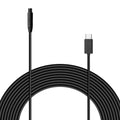
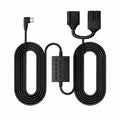
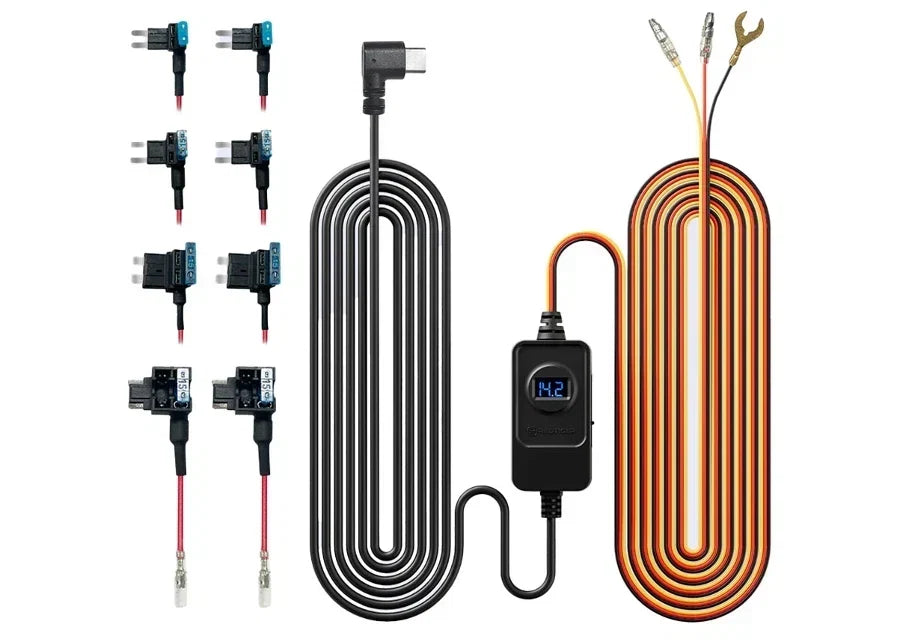
Parking mode requires power after the ignition is off, and it is hardwired to the vehicle’s battery. Redtiger’s hardwire kit includes auto-cutoff at 11.8V, protecting the battery from discharge while enabling extended parking coverage.
Front and Rear Recording
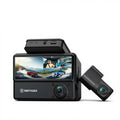
A single front-facing camera leaves the rear of the vehicle unmonitored. A dual-channel system that records front and rear simultaneously closes potential coverage gaps.
Sony STARVIS Night Vision
Most incidents happen in reduced light. A camera with a Sony STARVIS sensor captures clear footage in low-light conditions. Night vision quality is directly linked to sensor size and light sensitivity.
Wide-Angle Lens
A wide-angle lens (130° to 150°) captures more of the area around the vehicle. It reduces the blind spots where incidents can occur.
G-Sensor Activation
The G-sensor detects physical impact and triggers an automatically locked recording. Any significant distortion in the surrounding area wakes the camera when someone approaches the vehicle.
High-Capacity MicroSD Support and Loop Recording
Extended parking sessions require sufficient storage to hold the required footage. Loop recording manages storage automatically. Redtiger F7NA supports microSD cards up to 512GB, giving drivers a large recording buffer for long-stay parking.
Wi-Fi and GPS
Wi-Fi connectivity lets you review parking-mode footage on your phone. GPS logging embeds time and location stamps into every clip, strengthening the evidentiary value.
Best Practices for Protecting Your Car When Parked Outside
The most effective outdoor parking protection combines physical habits with always-on surveillance. No single method eliminates all risk. But combining smart parking behavior with a dash cam in parking mode minimizes the risks.
Lock Your Doors
Always lock manually and confirm the lock. Electronic key fob interference in crowded parking areas can occasionally prevent a door from locking fully. Check the door handle before walking away.
Remove Valuables
A bag on the back seat, a laptop charger, or sunglasses on the console are invitations for a smash-and-grab. Take valuables with you. If something must stay in the car, put it in the trunk before you reach your destination.
Park in Well-Lit Areas
Light is a deterrent. A well-lit parking space reduces the likelihood of vandalism, theft attempts, and break-ins. When given a choice, choose the spot closest to a light source and pedestrian traffic.
Avoid Isolated Locations
The end of a parking row, a corner spot far from foot traffic, or a rarely used side street increases your vehicle’s exposure. Instead, park where other cars are nearby and where other people will be passing.
Check Weather Forecasts
Before parking overnight or for an extended period, check the forecast. In case of a hailstorm, find covered parking. A ten-minute detour to a covered structure is worth thousands of dollars in avoided hail damage.
Enable Parking Mode Every Time
Parking mode only works if you use it consistently. Make enabling parking mode as automatic as locking your doors. A dash cam that sits dormant in the car while parking mode is off provides no protection.
Regularly Review Dash Cam Footage
Check your parking mode recordings periodically. Minor events may leave no visible mark but still appear in footage. Catching these events early lets you document them before the evidence ages.
Conclusion
Knowing how to protect your car when parked outside means implementing multiple layers of safety measures. Parking mode is the layer that changes the overall outcomes. The clip tells you something happened and shows you exactly what happened.
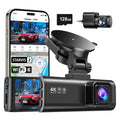
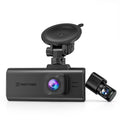
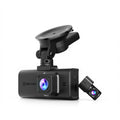
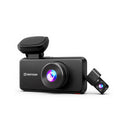
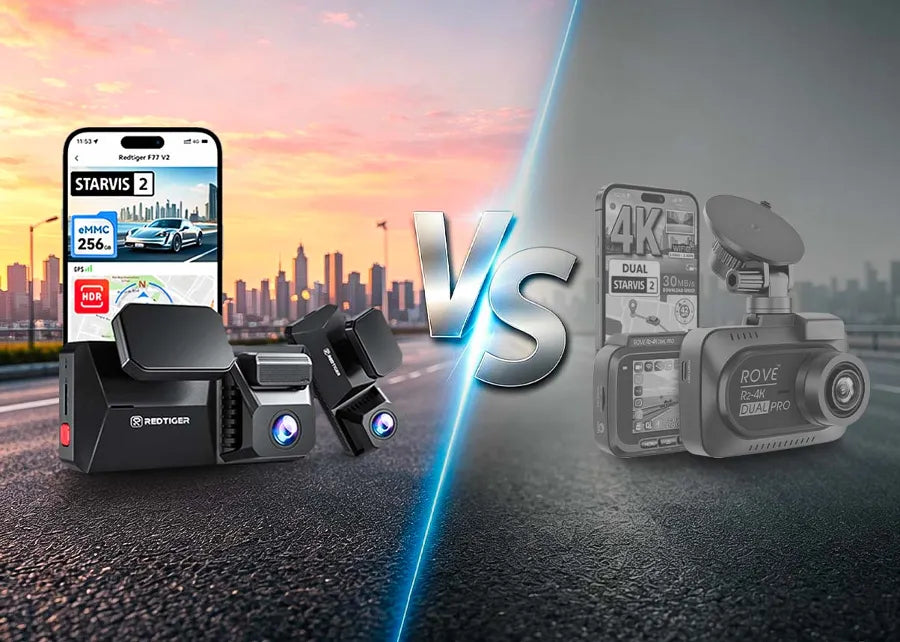
Redtiger’s lineup covers the F7NA for everyday commuters up to the F77 for road trippers. You can even look into the F17 Elite for complete three-channel coverage. Whichever one you choose, it guarantees parking mode protection at every level.


Frequently Asked Questions (FAQs)
1. How can I protect my car when parked outside overnight?
Choose a well-lit parking spot, lock doors with no visible valuables, and keep a dash cam with parking mode active. Physical deterrents like a steering wheel lock add a visible deterrent to theft.
2. Is a parking mode dash cam worth it?
Yes, for most drivers. Clear parking mode footage can resolve a single parking-related insurance dispute, hit-and-run claim, or vandalism incident in no time. The camera is a one-time purchase; the protection is continuous.
3. Can parking mode record when the engine is off?
Yes, with a constant power source. A cam connected to the cigarette lighter loses power when the ignition is off. Parking mode requires a hardwire kit to receive a constant 12V supply from the fuse box.
4. Does parking mode drain the car battery?
It depends on the hardware kit. A properly installed kit with low-voltage protection does not drain the car battery. Redtiger’s hardwire kit cuts power automatically when the battery drops to 11.8V, well above the threshold.
5. Should I use a hardwire kit for parking mode?
Yes. The hardwire kit is what makes parking mode particularly useful. Without it, the camera powers off when the engine stops, leaving no coverage while parked. A simple installation will deliver the recording without battery discharge.

Leave a comment
All comments are moderated before being published.
This site is protected by hCaptcha and the hCaptcha Privacy Policy and Terms of Service apply.