









Considerations for Wireless Dash Cam Purchase
1.Is there a wireless dash cam?
How a true wireless dash cam can help you.
2.Differences Between Wired And Wireless Dash Cams
Core Function:
Remote Access:
Alerts & Notifications:
Video Storage & Safety:
Connectivity Dependency:
Parking Mode Power:
Key Difference:
3.How does a wireless dash cam work?
Power & Installation
Automatic Cloud Uploads
Parking Monitor & Alerts
Why Choose a Wireless Dash Cam?
FAQs
Many drivers face common questions when choosing a dash cam, and this FAQ provides clear answers
Can I see my dash cam live on my phone?
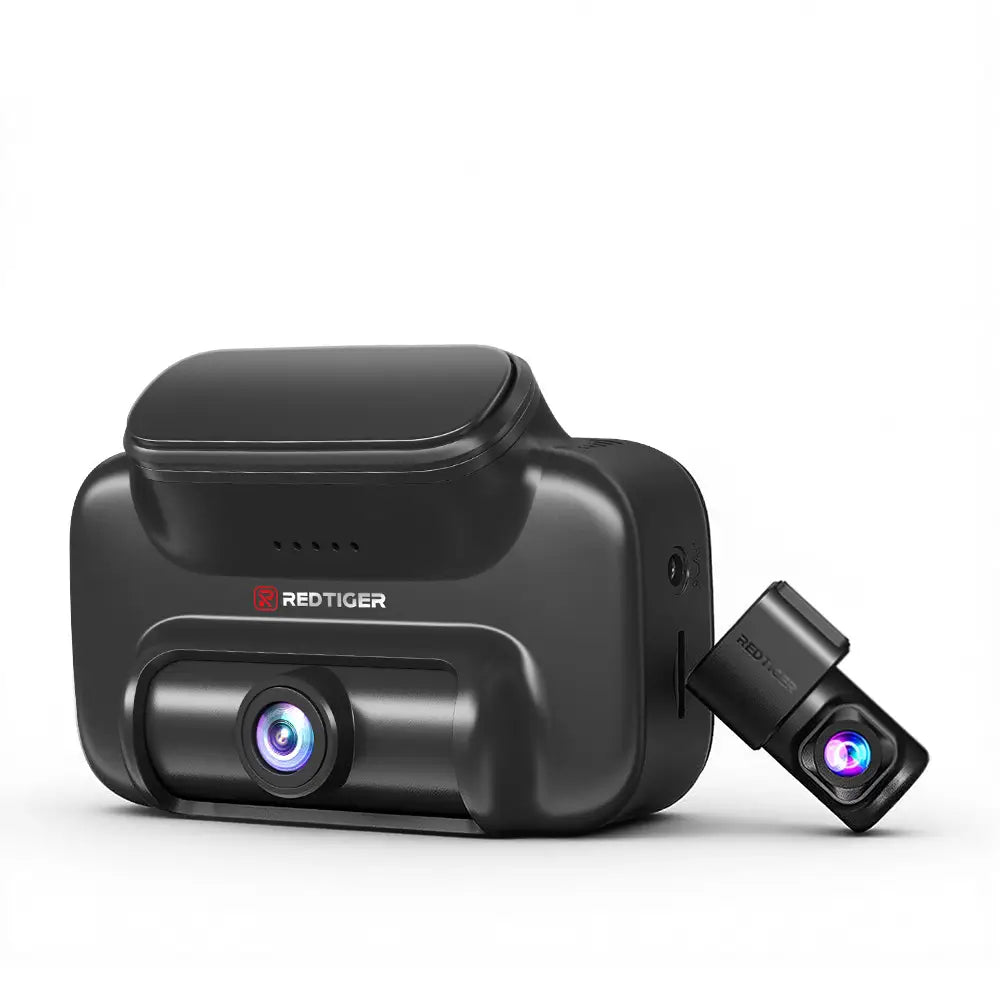
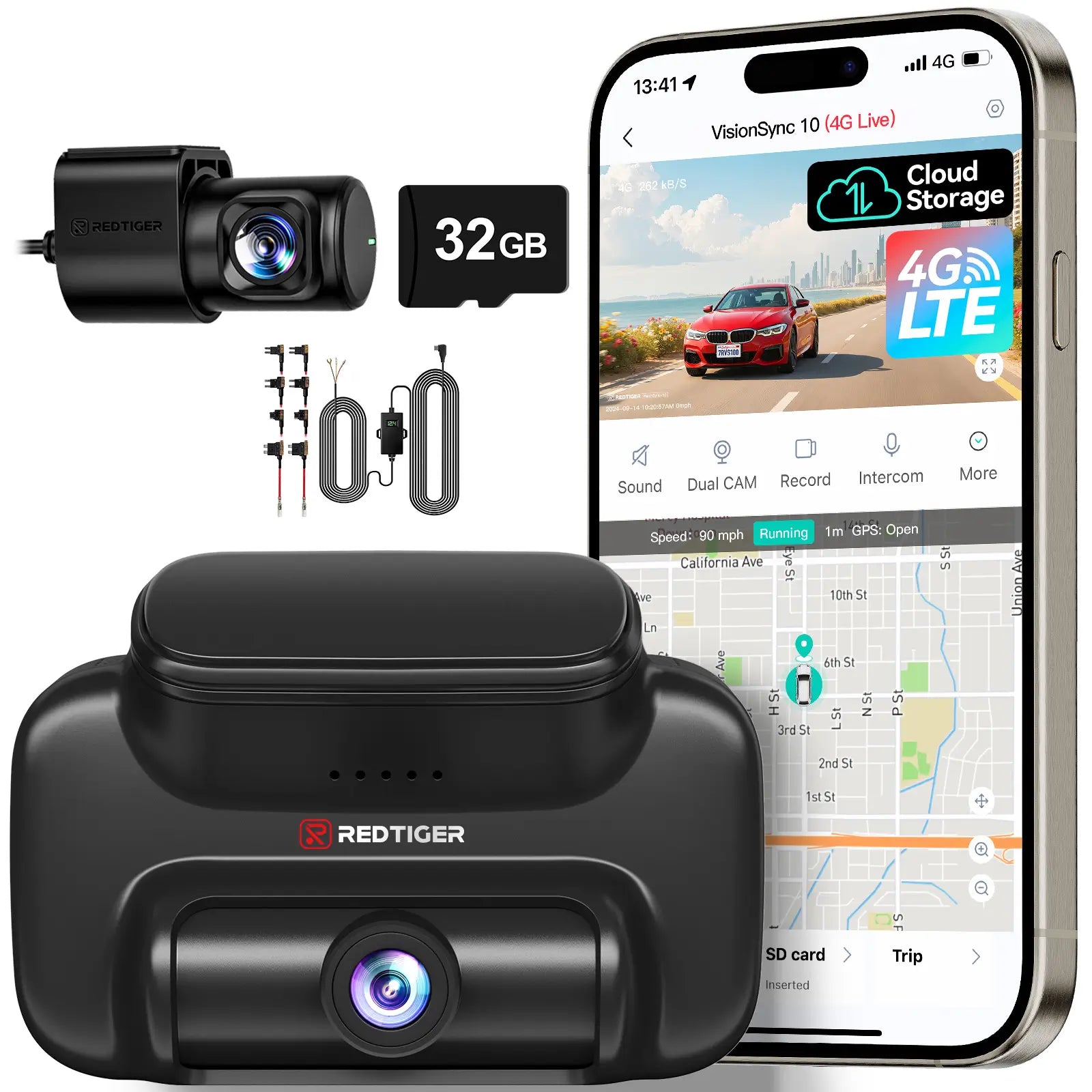
Yes! With a True Wireless dash cam like the Redtiger VS10 LTE, viewing your dash cam live on your phone is easy. Simply use the dedicated mobile app to access a real-time feed, just like live monitoring. No Wi-Fi hotspot needed - the VS10 uses built-in LTE cellular connectivity for true wireless, remote live viewing anytime, anywhere. [Discover How the Redtiger VS10 Works]
What is a wireless dash cam?
A wireless dash cam records driving footage without needing constant Wi-Fi connections. It uses built-in cellular data (LTE) to function independently. This allows automatic video uploads to online servers.
What Is LTE on a Dashcam and What Are Its Advantages?
LTE (Long-Term Evolution) refers to a dashcam’s built-in cellular connectivity (via a SIM card), enabling real-time data transmission over 4G networks.
Key Advantages of LTE Dashcams
LTE dashcams deliver real-time security via instant collision/break-in alerts and remote live viewing of your vehicle through an app. They offer enhanced protection with automatic cloud backup of critical footage and reliable 24/7 parked vehicle monitoring using cellular connectivity, independent of Wi-Fi.
Is wireless dash cam better than wired?
Assess needs: LTE dash cams offer real-time security alerts, remote viewing (e.g., Redtiger VS10 LTE), and theft-proof cloud backup. Wired cams provide simplicity, zero data costs, and unlimited 24/7 power. Consider cellular data costs when choosing.