
























Your Dash Cam Recorded the Crash — Now What?
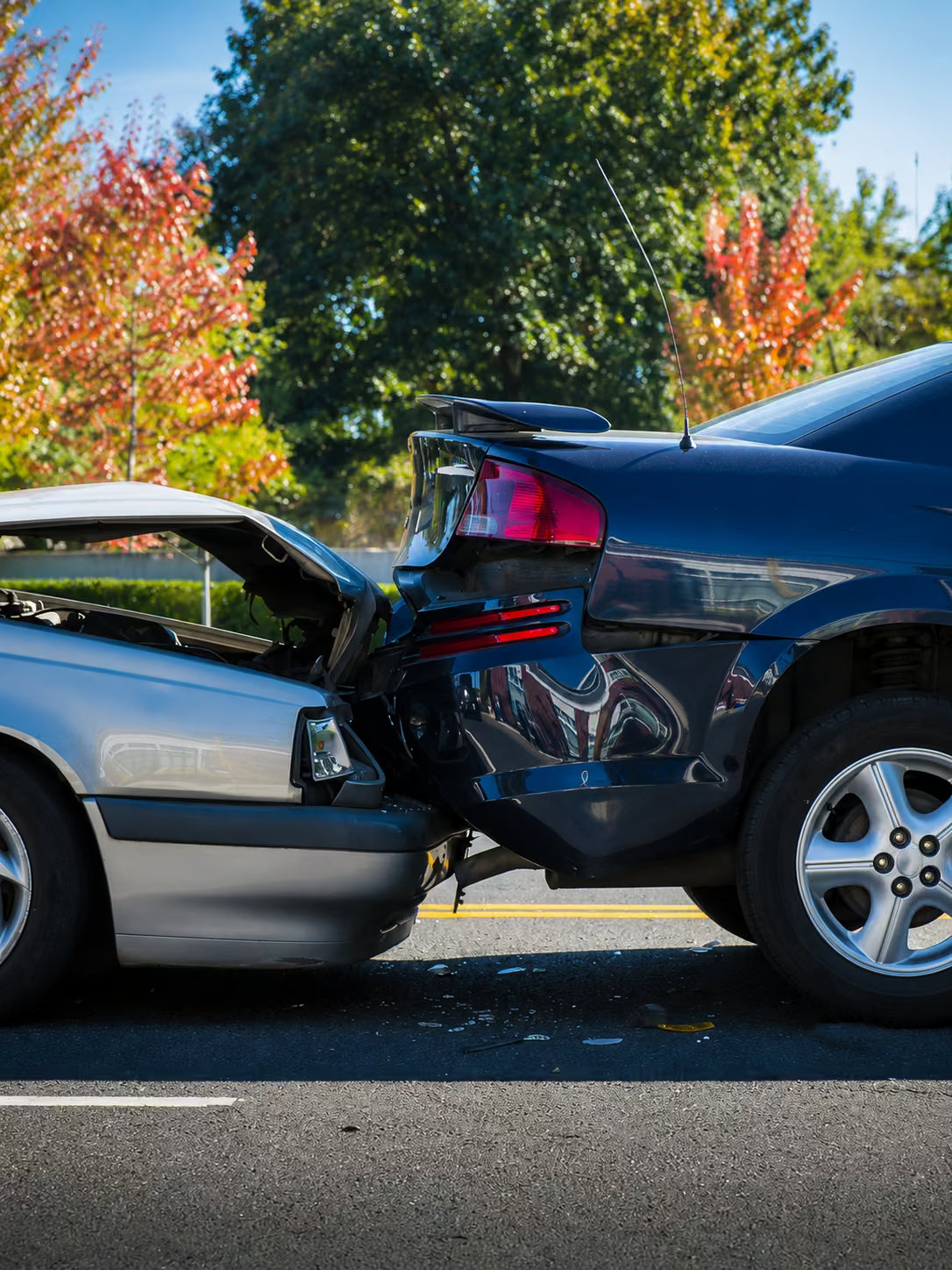
Here's something most drivers don't think about: your dash cam footage doesn't automatically help your insurance claim. Depending on what it captured and how you handle it afterward, that same recording could work against you.
The stakes are real. According to a Marc Brown Law Firm survey, 20% of dash cam owners have used footage for an insurance claim. Claims backed by video evidence settle roughly 35% faster than those relying on verbal accounts alone, per a 2024 report cited by Getnexar.
Footage can be your strongest ally or your biggest liability. The difference comes down to what you know before a crash ever happens. This guide covers both sides so you stay in control.
How Dash Cam Footage Helps Your Insurance Claim
Most major U.S. insurers, including Progressive, State Farm, and Geico, accept dash cam footage as part of their standard claims process. Video evidence has become a routine part of how adjusters evaluate fault.
The numbers back this up. Drivers with dash cams are approximately 40% more likely to have claims settled in their favor, according to an AAA study. Footage is especially powerful in situations where your word alone isn't enough: hit-and-run accidents, staged collisions, disputed liability at intersections, and parking lot incidents with no witnesses.
Staged accidents deserve special attention. According to AXA XL, staged accident fraud costs the insurance industry approximately $20 billion annually. The FBI estimates this adds $100 to $300 per year to the average driver's premiums. With an 18% year-over-year increase in staged crashes, dash cams have become a frontline defense for everyday drivers.
The federal government is taking notice too. The Staged Accident Fraud Prevention Act, introduced in Congress in April 2025, would make intentionally staging a motor vehicle crash a federal crime.
Beyond the video itself, GPS timestamps and speed logs embedded in your footage serve as corroborating evidence. These data points confirm exactly where you were, how fast you were going, and when the incident occurred — details that strengthen your credibility far beyond video alone.
When Dash Cam Footage Can Hurt Your Claim
Your dash cam records everything, including your own mistakes. If the footage shows you were speeding, checking your phone, or rolling through a stop sign moments before the collision, the other party's insurer can use that to shift fault onto you.
Insurers may request or even subpoena your footage. Once they know a dash cam exists, you may be legally obligated to hand over the recording, even if it reflects poorly on you. As Romanow Law Group explains, there are no take-backs once footage becomes part of the record.
Audio can be just as damaging. A post-crash statement like "I didn't see you, I'm so sorry" recorded on your dash cam's microphone can be used as an admission of fault, regardless of the circumstances in which it was said.
Deleting or editing footage after a crash is even worse. Courts and insurers can treat this as destruction of evidence, which can seriously damage your legal position. Adjusters sometimes focus on a damaging 10-second clip while ignoring context that tells a different story. Knowing this risk ahead of time helps you and your attorney present the full picture.
The Audio Trap: 12 States Where Your Mic Can Get You in Trouble
Most drivers don't realize their dash cam's microphone could create a legal problem. Twelve U.S. states require all-party consent for audio recordings: California, Connecticut, Florida, Illinois, Maryland, Massachusetts, Michigan, Montana, Nevada, New Hampshire, Oregon, Pennsylvania, and Washington. This list comes from DashCamInsight.com.
In these states, recording passengers or other occupants without their explicit consent isn't just a civil matter. It can be a criminal offense.
There is good news: even if illegally captured audio gets suppressed, video-only footage from the same camera remains fully admissible, according to Getnexar's legal analysis. The visual evidence still stands.
If you're a rideshare or taxi driver operating in a two-party consent state, post a visible notice in your vehicle informing passengers that recording is in progress. Better yet, consider disabling audio recording entirely. Families using dash cams to monitor teen drivers should also be aware that audio of passengers could create unexpected legal exposure.
Practical tip: Open your dash cam's settings right now and check whether audio recording is on or off. If you drive in any of these 12 states, turning it off is the safest move.
The Critical 10-Minute Window: How to Preserve Your Footage
Most modern dash cams use loop recording, which continuously overwrites the oldest files to make room for new ones. If you don't act quickly after a crash, the footage you need could be gone within minutes.
Here's exactly what to do:
- Press the emergency lock button immediately. This flags the current clip and protects it from being overwritten. On REDTIGER dash cams, this happens automatically when the G-sensor detects a collision, but pressing it manually adds a layer of certainty.
- Use your dash cam's WiFi app to transfer footage to your smartphone. Do this before removing the SD card or powering down the camera. It gives you a backup copy right away.
- Carefully remove the SD card and store it safely. Do not insert it into another device, a laptop, or a different camera. Doing so risks corrupting the data or altering file metadata.
- Note the exact time of the accident. If you need professional data recovery later, knowing the precise timestamp helps technicians locate the correct file.
- Do not delete, edit, or alter any footage. Preserve everything, including GPS coordinates and timestamps embedded in the metadata. Tampering, even with good intentions, can undermine your entire claim.
Legislation is catching up to this reality. Connecticut enacted a 2025 law requiring a 90-day minimum retention period and four-year archival for disputed incidents, according to Mordor Intelligence. Other states may follow suit.
Is Dash Cam Footage Admissible in Court and Insurance Claims?
Dash cam video recording is legal in all 50 U.S. states. Mounting placement rules vary, however, and some states have specific windshield obstruction laws that dictate where you can attach your camera, so check your local regulations.
Footage is generally admissible in both U.S. courts and insurance claims when it meets three conditions: it's unedited, lawfully obtained, and its metadata (GPS timestamps, file creation dates) is intact. The bar for insurance claims is lower than for court proceedings, where chain-of-custody requirements apply more strictly.
California's SB 506, enacted in October 2025, broadened windshield exemptions for vehicle safety technology on large commercial trucks, signaling a broader trend of states updating their laws to accommodate dash cam technology.
If the other driver also has a dash cam, insurers evaluate conflicting footage based on metadata, camera angles, and corroborating physical evidence. Neither recording automatically overrides the other. With the National Insurance Crime Bureau reporting that over 70% of the 100,000-plus suspicious insurance claims filed annually involve auto accidents, video evidence is becoming increasingly decisive in these evaluations.
What to Do Right After an Accident: A Dash Cam Owner's Checklist
- Prioritize safety first. Move to a safe location and check for injuries before touching any devices.
- Secure your footage. Use the steps above: hit the lock button, transfer via WiFi, and remove the SD card.
- Document the scene with your phone. Take photos of vehicle damage, license plates, road conditions, traffic signals, and any visible injuries.
- Exchange information with the other driver. Get names, insurance details, and contact information. Do not discuss fault or make verbal admissions at the scene.
- File a police report. Note any discrepancies between what the officer records and what your footage actually shows. These differences can matter later.
- Notify your insurer promptly. Mention that you have dash cam footage and ask how they prefer to receive it (upload portal, email, or physical media).
- Do not share raw footage on social media. Consult your insurer or attorney before posting anything publicly. What you share online can be used against you in the claims process.
Peace of Mind Before, During, and After Every Drive
A dash cam is only as powerful as the driver who knows how to use it correctly. The steps in this guide aren't complicated, but they make the difference between footage that protects you and footage that sits unused or, worse, works against you.
There's a reason 48% of dash cam owners report reduced stress levels since installing one, according to the Marc Brown Law Firm survey. Knowing you have a reliable witness recording every drive changes how you feel behind the wheel.
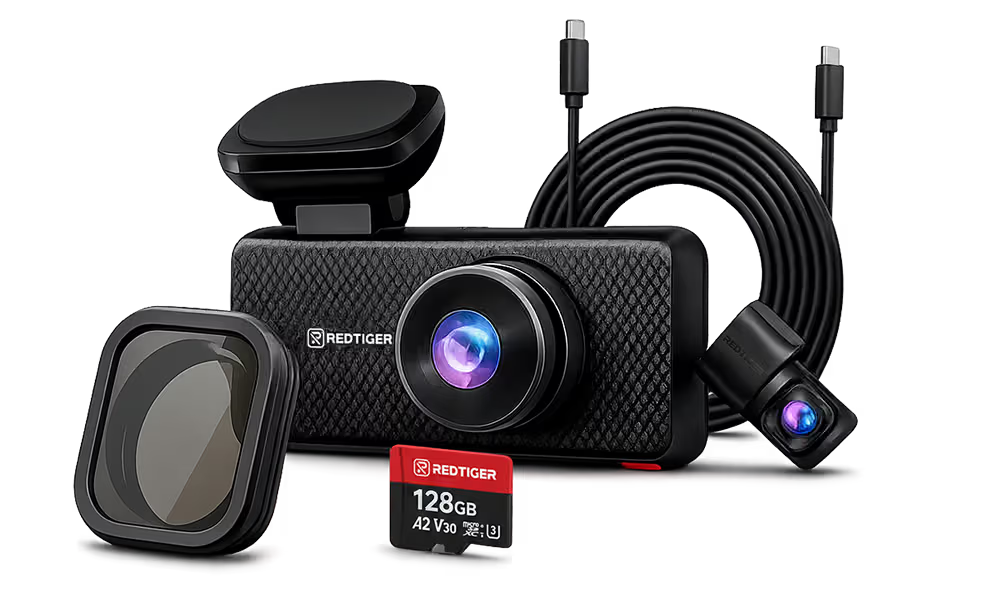
At REDTIGER, we've served over 1.7 million drivers across 74 countries. Our 4K UHD recording with embedded GPS metadata gives you the clearest possible evidence when it matters most. We've been recognized by TechRadar Pro at CES 2026 and named Security Today's 2025 New Product of the Year because we take this responsibility seriously.
Take five minutes today to check your dash cam settings. Confirm whether audio recording is on or off. Verify your loop recording interval. Test the emergency lock button. And if you don't have a dash cam yet, explore the REDTIGER lineup to find the right fit for your driving life.
Knowing these rules transforms your dash cam from a passive recorder into an active layer of legal and financial protection. That's real peace of mind.
Sources
- Survey: How Many Drivers Own a Dash Cam? (Marc Brown Law Firm, September 2025)
- How Dash Cams Protect You from Insurance Fraud (Getnexar.com, February 2026)
- The Cost of Deception: Navigating Staged Auto Accidents (AXA XL, April 2025)
- Auto Insurance Fraud in 2025: Staged Accidents (CarInsurance.com, December 2025)
- Viewpoint: Rampant Fraud in Staged Accidents (Insurance Journal, September 2025)
- How Dashcam Footage Can Help (or Hurt) Your Car Accident Claim (Romanow Law Group, April 2025)
- US State-by-State Dash Cam Recording Laws 2026 (DashCamInsight.com, March 2026)
- Dash Cam Audio Recording Laws: Two-Party Consent States Explained (Getnexar.com, April 2026)
- North America Dashboard Camera Market Size & Statistics (Mordor Intelligence, February 2026)
- Dash Cam Laws in Every US State: Mounting & Recording (ExpertMarket.com, December 2025)
- Staged Auto Accident Fraud (National Insurance Crime Bureau – NICB)


Leave a comment
All comments are moderated before being published.
This site is protected by hCaptcha and the hCaptcha Privacy Policy and Terms of Service apply.