


















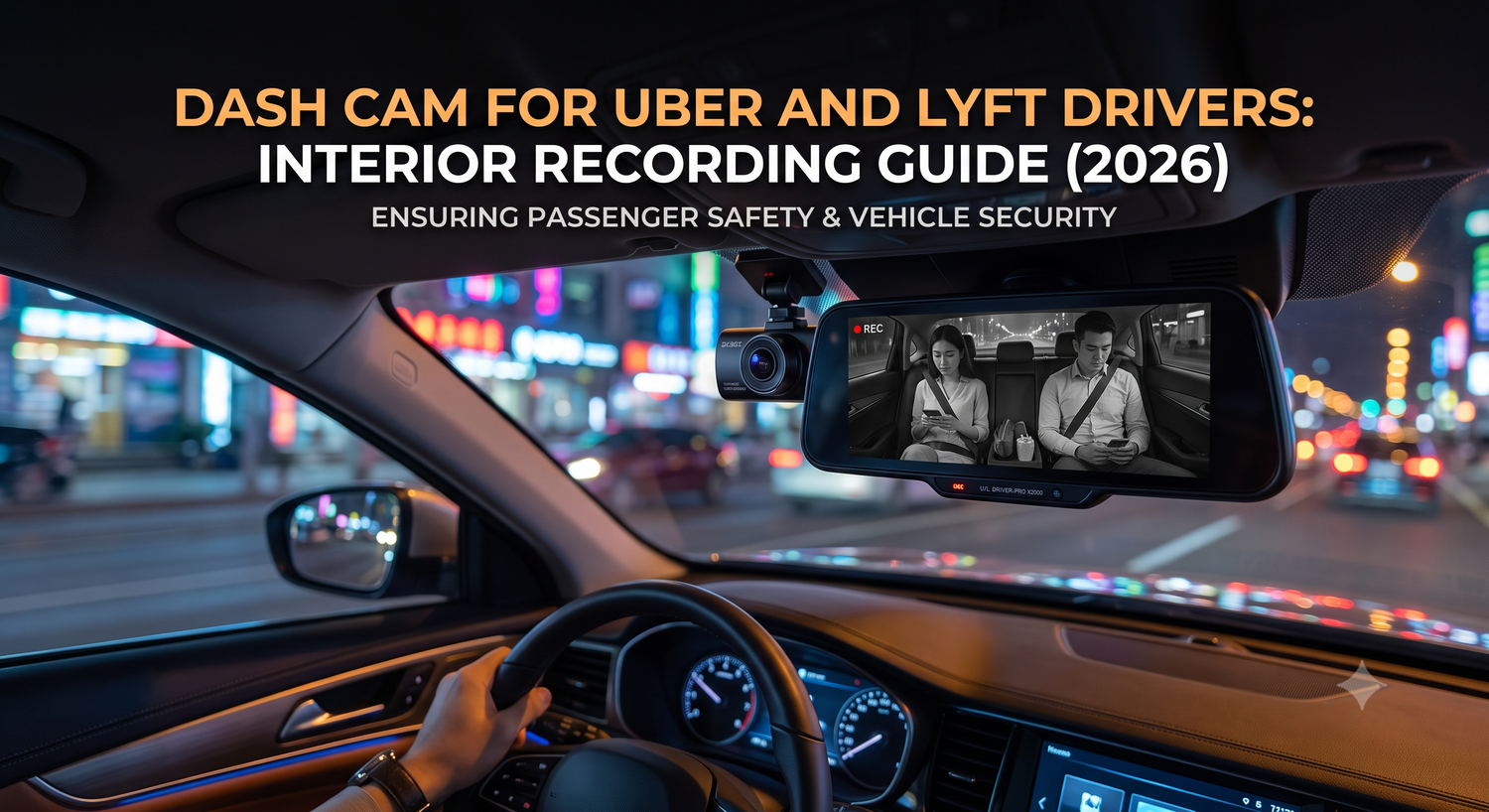
Rideshare drivers face a specific kind of risk that standard two-channel dash cams are not built for: the risk that comes from inside the car. A false complaint, a disputed incident, an altercation, a property damage claim — none of these are captured by a camera that only looks at the road. This guide covers why interior recording matters for Uber and Lyft drivers in 2026, what the footage needs to show, and which camera is built for this use case.
The Risk Rideshare Drivers Actually Face
The road ahead is documented by millions of dash cams. What is rarely documented is what happens inside the vehicle — and for rideshare drivers, that gap is where the most consequential disputes occur.
Account deactivation from a passenger complaint. Uber and Lyft allow riders to file complaints about driver behavior. A false or exaggerated complaint can trigger account suspension during investigation, costing days or weeks of income even if the driver did nothing wrong. Interior footage showing the actual interaction is the only objective evidence available.
Assault and threatening behavior. Rideshare drivers are assaulted at higher rates than general workers in comparable roles. An interior camera with GPS-stamped footage gives police and prosecutors a complete record: the passenger's face, the sequence of events, the exact time and location.
Property damage claims. A passenger claims you scratched their phone, spilled something on their bag, or damaged their property. Without interior footage, it is your word against theirs.
Accident liability with a passenger onboard. When an accident happens with a passenger in the car, insurance liability involves your personal policy, the rideshare company's commercial coverage, and potentially the other driver's insurer. Footage of the passenger's condition and behavior immediately before and after impact is relevant evidence.
Between-ride break-ins. A dash cam with parking mode protects the vehicle during the hours between active rides — in parking lots, rest stops, or overnight when the car is parked.
What Interior Footage Actually Needs to Capture
Not all interior cameras produce equally useful footage. For the footage to matter — to Uber/Lyft support, to police, to an attorney — it needs to meet a minimum standard.
Color in darkness. Rideshare work happens disproportionately at night. Standard infrared (IR) interior cameras produce monochrome footage in low light — sufficient to confirm presence, but often insufficient to identify clothing, hair color, or specific objects. Color footage in the same conditions is significantly more useful as evidence.
Timestamped and GPS-tagged. Footage without metadata can be contested. Footage with GPS coordinates, speed, and a synchronized timestamp establishes exactly when and where an incident occurred.
Continuous, not triggered. Motion-triggered interior cameras can miss the build-up to an incident. Continuous recording captures the full sequence — what was said before, what the passenger's posture was, what happened in real time.
Wide enough to cover the rear seat. An interior camera positioned at the front of the cabin needs sufficient field of view to capture both rear seats clearly.
The Right Camera for Rideshare: REDTIGER F17 Elite
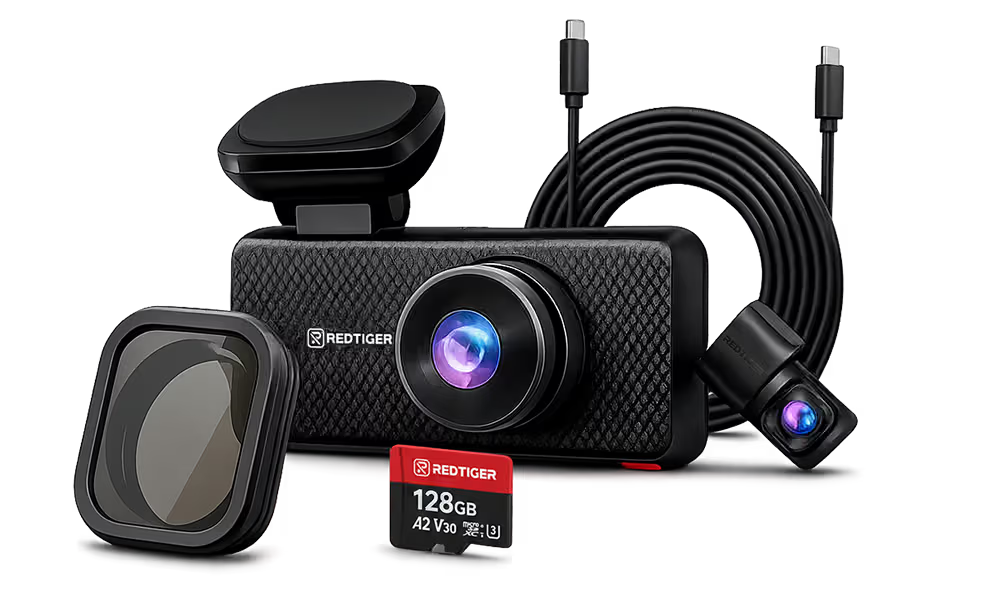
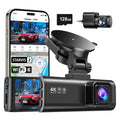
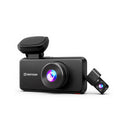
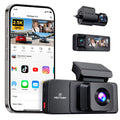
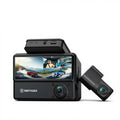
The REDTIGER F17 Elite (Final $259.99) is a 3-channel system — front road, interior cabin, rear road — built around the features that matter most for rideshare protection.
NiteGuard Interior Color Night Vision
The interior camera uses Sony IMX307 with REDTIGER's NiteGuard technology, producing full-color footage in near-darkness without an infrared flash. This is the feature that separates the F17 Elite from most competitor interior cameras.
A passenger at 11 PM in a poorly lit pickup area: standard IR footage shows a monochrome silhouette. NiteGuard footage shows color, detail, and facial features. In a complaint investigation or a police report, that difference matters.
Three Channels: No Gap in Coverage
The front camera records the road ahead at 4K with Sony STARVIS 2 — every intersection, traffic signal, and lane change documented. The rear camera records 1080P of the road behind. The interior camera records 1080P continuously inside the cabin. All three streams are stored simultaneously to a single SD card in the front unit.
If a passenger claims you ran a red light, the front footage closes that argument. If a passenger claims you accelerated aggressively, GPS speed logging closes that argument. If a passenger claims you were verbally abusive, the interior audio and video record closes that argument.
WiFi 6 at 30 Mb/s
After an incident — while still parked or immediately after the ride ends — the F17 Elite transfers footage to your phone at up to 30 Mb/s over WiFi 6. A 5-minute interior clip downloads in under a minute. You can have it stored on your phone and ready to submit to Uber/Lyft support, police, or your attorney before the passenger has reached their front door.
Older WiFi dash cams at 2–4 Mb/s take 10 or more minutes for the same clip. In the window between an incident and a complaint being filed, speed matters.
GPS Logging
Every clip includes GPS-tagged speed and location. For insurance disputes involving the route taken, for police documentation of where an assault occurred, or for verifying the timeline of a ride, GPS data adds a layer of objective evidence that video alone does not provide.
Parking Mode Between Rides
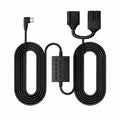
The F17 Elite's NiteGuard parking mode keeps the exterior cameras active when you park between rides. Time-lapse recording and impact detection document any damage to the vehicle while you are away. The hardwire kit is included in the box — no additional purchase needed to enable parking coverage.
For a full breakdown of parking mode options, see our best dash cams with parking mode guide.
Scenario Playbook: How Footage Protects You
Scenario: A passenger files a complaint claiming inappropriate behavior.
You receive an alert that your account is under investigation. You submit the interior clip from that ride. The footage shows a normal, professional interaction from start to finish. The complaint is resolved in your favor.
Scenario: A passenger becomes verbally aggressive and threatening.
The interior camera records the escalation in real time. You end the ride early and contact police. The footage — timestamped, GPS-tagged, in color — shows the passenger's behavior and your response. It is submitted as part of the police report.
Scenario: A passenger disputes the route, claims you took the wrong way.
GPS logging shows the exact route, speed at every point, and total time. The front footage confirms road conditions and any detours. There is no ambiguity.
Scenario: You are rear-ended during an active ride.
The rear camera captures the impact and the vehicle that hit you. The interior camera documents the passenger's condition at the moment of impact. GPS data records speed and location. All three are relevant to the insurance claim.
Scenario: Your car is broken into between rides.
Parking mode captures the approach, the attempt, and any vehicle or individual involved. The hardwire kit keeps the camera powered without draining the car battery below the engine-start threshold.
Legal and Platform Considerations
Recording laws vary by state. Some states require one-party consent only (the driver's consent is sufficient). Others require all-party consent from everyone being recorded. Before installing an interior camera, check your state's current recording consent law.
Both Uber and Lyft have published policies on dashcam use — review the current driver guidelines on each platform before installation. Many drivers post a visible notice in the vehicle indicating that a recording device is active. This is common practice and addresses disclosure requirements in many jurisdictions.
This article does not constitute legal advice. If you have questions about your specific situation, consult an attorney familiar with your state's laws.
Frequently Asked Questions
Can Uber and Lyft drivers legally record passengers?
Recording laws vary by state. Some states permit recording with one-party consent (the driver's consent is sufficient). Others require all-party consent. Check your state's current laws before installing an interior camera. Both Uber and Lyft have driver guidelines on recording devices — review the current policy on their driver platforms. Many drivers post a visible notice in the vehicle as a disclosure practice.
What is the best dash cam for Uber and Lyft drivers in 2026?
The REDTIGER F17 Elite (Final $259.99) is built for rideshare use: three channels (front, interior, rear), NiteGuard Full Night Color interior camera, WiFi 6 at 30 Mb/s for fast post-ride footage retrieval, GPS logging, and parking mode with a hardwire kit included. The NiteGuard interior camera is the key differentiator — it produces color footage in low-light conditions where most competitor IR cameras only capture monochrome.
What does the F17 Elite interior camera actually record?
The interior camera records 1080P color video continuously during the ride. The Sony IMX307 sensor with NiteGuard technology captures full-color footage in near-darkness. The recording covers the cabin interior — front passenger seat and rear seats — and includes audio. All footage is GPS-tagged and timestamped.
How do I get footage off the camera after an incident?
Open the REDTIGER app on your phone. The F17 Elite connects over WiFi 6 at up to 30 Mb/s — a 5-minute clip transfers in under a minute. Download, review, and share footage directly from the app without removing the SD card. Back up any relevant clip to your phone immediately after an incident before loop recording overwrites it.
Does the F17 Elite work in parking mode between rides?
Yes. With the included hardwire kit connected to a circuit that stays live when the ignition is off, the F17 Elite continues monitoring the exterior of the vehicle in parking mode. NiteGuard time-lapse recording and impact detection document any incidents while the car is unattended. Low-voltage cutoff protection prevents the camera from draining the car battery below engine-start level.
For rideshare drivers: The REDTIGER F17 Elite (Final $259.99) closes every coverage gap a rideshare driver faces — NiteGuard interior color night vision, 4K front, WiFi 6 at 30 Mb/s, GPS, and parking mode with hardwire kit included. See also: best 3-channel dash cams compared.

Leave a comment
All comments are moderated before being published.
This site is protected by hCaptcha and the hCaptcha Privacy Policy and Terms of Service apply.