



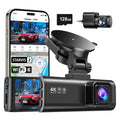
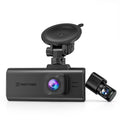

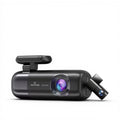
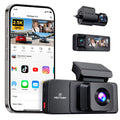

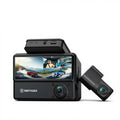
















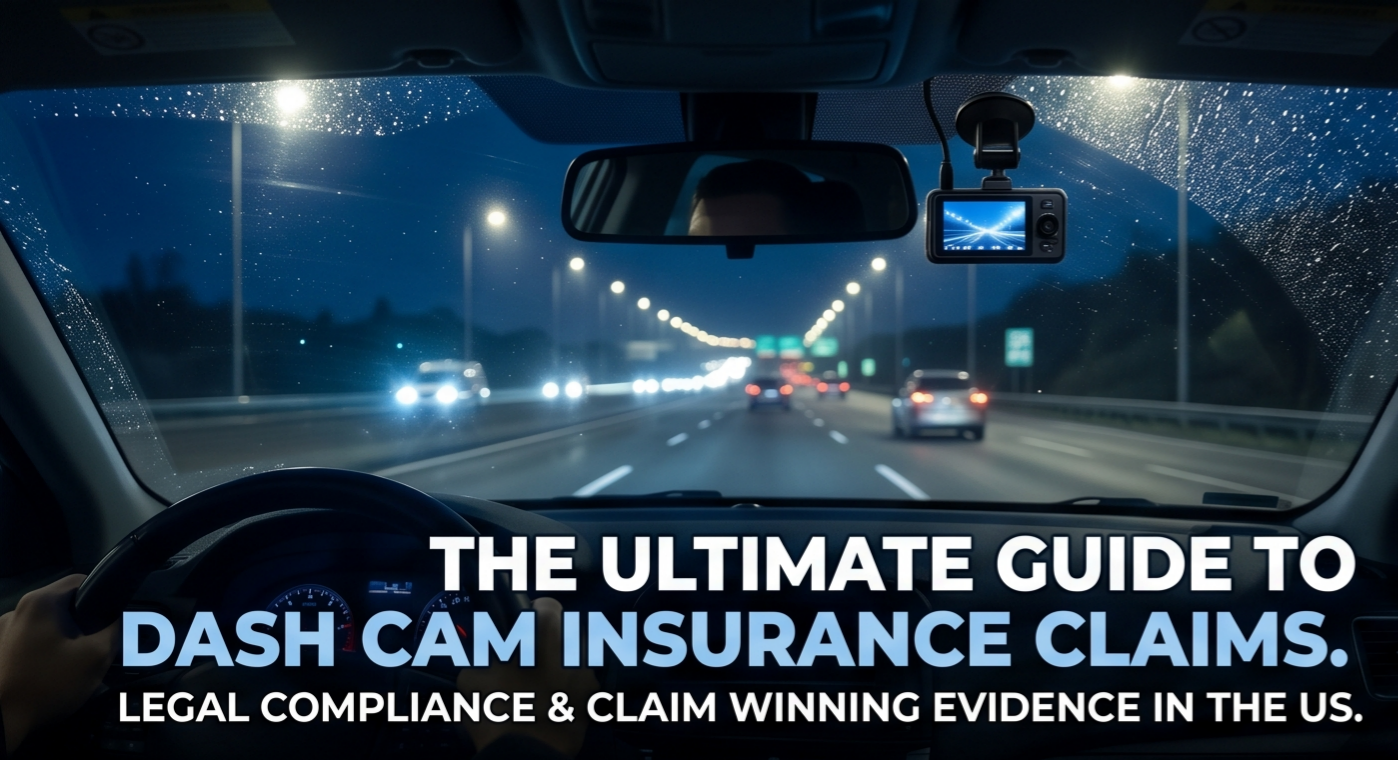
Key takeaway: A dash cam provides a strong, objective record for US car insurance claims. To improve the chances that your footage is accepted, secure the video immediately after an impact and provide the unedited file to authorities. Drivers should also comply with state-specific regulations, including windshield mounting restrictions and varying state laws regarding audio recording consent.
1. Why Dash Cams are Vital for Insurance Claims
In the United States, determining fault in a traffic accident often devolves into a dispute over conflicting statements. Without objective evidence, insurance adjusters may assign partial fault to both drivers, which can result in increased premiums and the loss of your deductible.
A high-quality dash cam provides an objective, time-stamped video record of the event. It helps clarify disputes about fault, can speed up the claims process, and serves as a strong deterrent against insurance fraud.
💡 Expert Tip: Insurance adjusters prioritize original footage with visible time (and GPS stamps if available). Maintain the raw video files to maximize credibility during a claim review.
2. Step-by-Step: Handling Dash Cam Evidence After an Accident
Following standardized best practices for post-accident documentation is critical for a smooth claims process. For instance, the National Association of Insurance Commissioners (NAIC) advises drivers to "Take a photo or sketch a diagram of the accident scene" (Source: NAIC).

Step 1: Secure the Footage Immediately
Most modern dash cams feature a G-Sensor that automatically locks the video file upon impact. As a best practice, manually press the "Emergency Lock" button once you are safely pulled over to ensure the file is not overwritten.
Step 2: Inform the Responding Police Officer
When law enforcement arrives, you may choose to let the officer know that you have dash cam footage. If the officer is interested and it is safe to do so, you can show a short preview on the screen. The full unedited file can later be provided through the official evidence submission process.
Step 3: Retain and Submit Unedited Files
To meet standards of evidence authenticity, as outlined by the Federal Rules of Evidence, Rule 901 (Source: Cornell LII), always provide the raw, unedited .mp4 or .mov file directly from the SD card. Never use editing software to permanently alter or crop the original footage.
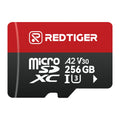
💡 Expert Tip: For reliable 4K recording, use a U3-rated microSD card to handle high bitrates of Redtiger cameras.
3. US Dash Cam Laws: Ensuring Legal Compliance
An adjuster or court may question your footage if it was obtained in violation of state laws. Two common categories are windshield mounting and audio recording consent. The table below highlights a few representative states. It is not a complete survey of all 50 states, and laws can change. Always confirm the current rules in your own state or consult a qualified attorney if you are unsure.
⚖️ Quick Reference: Key State Dash Cam Laws
| State | Video Legality | Audio Consent Law | Key Restrictions & Legal Source |
|---|---|---|---|
| California | ✅ Legal | ⚠️ All-Party | CA Vehicle Code § 26708 / Penal Code § 632 |
| Texas | ✅ Legal | ✅ One-Party | Texas Penal Code § 16.02 |
| New York | ✅ Legal | ✅ One-Party | N.Y. Penal Law § 250.00 |
| Florida | ✅ Legal | ⚠️ All-Party | FL Stat. § 934.03 |
Audio Recording Consent Laws
If you’re unsure about cabin audio laws in your context, a safe practice is to disable audio recording and consult local guidance.
💡 Expert Tip: If you frequently drive passengers (e.g., rideshare), disabling the microphone reduces privacy complications. Video alone is sufficient for insurance claims.

4. Hardware Specifications for Claims-Ready Footage
- 4K Ultra HD: Essential for capturing license plates and street signs clearly.
- Front + Rear recording: Rear-end collisions are common; dual recording provides vital context.
- Heat-resistant design: In hot climates, prefer supercapacitor models over traditional batteries.

5. Frequently Asked Questions (FAQs)
Do car insurance companies offer a discount for having a dash cam?
Most major US auto insurance providers do not offer a direct premium discount. However, footage protects your deductible and prevents rate hikes by proving you were not at fault.
Is dash cam footage admissible in court?
In many cases, yes — courts and insurers increasingly accept dash cam footage when it can be authenticated as an unedited, accurate recording and was obtained in compliance with local laws. However, admissibility decisions are always made by the judge or tribunal handling the case.
🔗 Sources & References
State-Specific Dash Cam & Privacy Laws
- California: CA Vehicle Code § 26708 (Windshield Mounting & Vision Obstruction) | CA Penal Code § 632 (Eavesdropping & All-Party Consent)
- Texas: Texas Penal Code § 16.02 (Interception of Communications & One-Party Consent)
- New York: N.Y. Penal Law § 250.00 (Eavesdropping Definitions & One-Party Consent)
- Florida: FL Stat. § 934.03 (Interception of Communications Prohibited & All-Party Consent)
Legal Disclaimer: This article is for general informational purposes only and does not constitute legal advice. Dash cam and privacy laws vary by state and can change over time. For advice about your specific situation, you should consult a licensed attorney in your jurisdiction.

Leave a comment
All comments are moderated before being published.
This site is protected by hCaptcha and the hCaptcha Privacy Policy and Terms of Service apply.