






















Summer Road Trip Safety: Secure Your Happy Family Adventure Today
|
|
Time to read 9 min

Help Center
Get help with setup, updates, and information

Track My Order
Check Your Package Tracking Status Online

Learn About Dash Cam
The Latest Dash Cam News and Information

Redtiger Player
Play the videos you've recorded on your PC

REDTIGER CAM APP
Download the Redtiger app and use it via a Wi-Fi connection
 Channel
 Sensor
 Video Resolution
 Display
 Lens Aperture
 HDR/WDR
 Wi-Fi
Wi-Fi
 Touch Screen Control
 Voice Control
 Parking Mode
 NiteGuard ™ Parking Mode
 Night vision capability
 GPS Logger
 G-sensor
 Loop Recording
 Storage
 CPL Supported
 Mounting Type (Default)
 Battery & Charging
 Working Temperature
We provide comprehensive pre-sales and after-sales service.

Redtiger offers free shipping on orders totaling $50 or more. We recommend purchasing shipping protection to safeguard your package and money.

Redtiger offers a 30-day money-back guarantee. You may contact us for a no-questions-asked return within 30 days of receiving your order.

Ordering a dashcam through the Redtiger official website entitles you to an additional 6-month extended warranty. This brings the total warranty period to 24 months.

Redtiger provides 24/7 customer service. You can contact us via email or call our customer service hotline directly.
No need to worry about after-sales service—we provide comprehensive after-sales support.
We offer free shipping on qualifying orders with no hidden fees or surprise charges.
Most orders are processed within 1–2 business days and shipped through trusted carriers to ensure safe and timely delivery.
You’ll receive tracking details as soon as your order ships, so you can follow it every step of the way.
From checkout to delivery, we make the process simple and worry-free.

Your satisfaction comes first. If you’re not completely happy with your purchase, you can request a return within 30 days of delivery.
Simply reach out to our support team and we’ll guide you through the process.
Once your item is received and inspected, your refund will be issued promptly according to our policy.
Shop with confidence knowing your purchase is protected.

We use industry-standard encryption and trusted payment providers to protect every transaction.
Your personal and payment information is securely processed and never stored or shared without authorization.
Multiple secure payment options are available for your convenience, so you can complete your purchase with total confidence.

Have a question? We’re here to help.
Our dedicated customer support team responds quickly and provides clear, helpful solutions — whether it’s product guidance, order updates, or after-sales support.
We’re committed to delivering a smooth experience before and after your purchase.
|
|
Time to read 9 min
You dream of the open road and the warm sun on your face as you plan your next big getaway. A long drive offers the chance to make memories that last for a lifetime with the people you love. However, the heat and the crowds can turn a fun time into a bad dream if you do not prepare. You must think about summer road trip safety before you put your bags in the trunk and start the engine.
You must look at the facts before you start your big journey across the country this year. Data from top experts proves that the warm months bring unique risks that you must face.
The period from Memorial Day to Labor Day marks a dangerous time for many people on the road. This timeframe is widely recognized as the "100 Deadliest Days", when crash risks involving young drivers increase significantly, according to AAA Foundation for Traffic Safety. Eight lives end every day in crashes that link to young drivers during this specific time frame. This sharp increase in deaths shows why you must stay alert and focused right now.
More cars on the road and more young drivers mean more risks for your family this season. Four main habits cause most deaths: high speeds, drunk driving, distracted turns and no seatbelts. You face a higher chance of a crash when you travel during these busy vacation peak weeks.
Summer road risks are not only related to traffic volume and driver behavior, but also to how well your vehicle handles extreme heat conditions. High temperatures can accelerate wear on critical components and increase the chance of mechanical failure, which is why proper pre-trip preparation becomes an essential part of reducing breakdown-related accidents.
Heat is a silent enemy that wears down your car parts much faster than cold weather does.
Look at the air levels in every tire while they remain cool for the best results. Correct air levels prevent a blowout on hot roads and help you keep control of your heavy vehicle.
Use a coin to check how much rubber stays on your tires before you leave your home. Deep tread helps your car grip the road and stops you from a slide in rain storms.
Look at your oil and coolant to make sure your motor stays cool in the sun. Fresh fluids protect your car parts and stop your engine from a total break on the highway.
Test your brakes to hear for squeaks or feel for shakes when you slow down the car. Strong brakes are a top priority for safety tips for summer road trips when you carry a heavy load.
Check the air in your spare tire so you can use it if a flat happens later. A good spare tire saves you a lot of time if the main tire fails on the road.
Heat drains the power from your car battery and shortens its life by a lot of time. Check the terminals for white crust and make sure the battery has a strong charge for the trip.
Run your air system to see if it blows cold air before you hit the desert roads. A cool cabin keeps you alert and prevents heat stroke for the small kids in the back seat.
Search for cracks or leaks in the rubber parts under the hood of your car today. Hot weather makes old rubber snap which can leave you stuck on the side of the road.
Ask a friend to watch as you test every light and turn signal on your vehicle. Clear lights help other drivers see your moves and prevent a rear end crash in the dark.
Put a new air filter in your motor to help it breathe better in the thick dust. A clean filter helps your car run with more power and saves you money on your gas.
Your habits on the road are just as important as the health of your car motor. Long hours on the highway can tire your mind and slow your reactions to danger.
Stop for a break every two hours to stretch your legs and rest your tired eyes. Drink plenty of water so you do not get a headache or feel weak from the dry heat. A fresh mind reacts faster to hazards and keeps everyone in your car much safer today.
You should plan your path and check the local weather for each stop on your long map. Use a map app to find traffic jams and avoid them to save time and stress. A clear plan helps you reach your hotel with no surprise detours or road blocks.
Keep your eyes on the road and avoid your phone when you drive through a new town. Unfamiliar turns and local traffic laws can confuse you if you do not pay close attention. Stay calm and follow the signs to reach your spot with no stress or tickets.
The sun does more than just hurt your paint as it can harm the people inside the car.
Never leave a child or a pet inside a parked car even for a short minute. The air inside a car can kill a small body when the sun hits the glass. Keep the air flow high and use sun shades to block the rays from their skin.
Watch the temp gauge on your dash to see if the motor gets too hot. If the needle climbs too high, turn off the air and pull over to a safe spot. Give the car time to cool down before you check the radiator for any steam or leaks.
Open the windows for a moment to let hot air escape before you start the air system. Frequent stops at rest areas give the car a break from the heat and let you refresh. Use these moments to check that your cargo remains tied down and safe for travel.
A flat tire or a dead battery can happen to anyone at any time during a trip.
Pack a box with a first aid kit, jumper cables, a light and some basic tools. Store extra water and non-perishable snacks in case you have to wait for a tow truck. A blanket and a map of the area can also save you in a tough spot.
If your car fails, move as far off the road as you can to stay safe. Use your hazard lights and flares so other drivers can see you from a long distance. Stay with your car and call for help rather than walk on a busy or hot highway.
Be extra careful when you drive in rural spots where phone signals might be very weak. Tell a friend your plan and when you expect to arrive at your next stop. Keep a physical map in the glove box so you do not get lost if the GPS fails.
More people on the road means a higher chance that you might witness or have a crash.
Busy roads create stress and lead to more mistakes by the drivers around you. You must maintain a safe distance from the car in front of you to allow for stops. High density travel requires your full focus to avoid the errors of other people on the path.
If a crash occurs, you need clear proof to show the police and your insurance firm. Take photos of the scene and talk to people who saw the event with their own eyes. Objective data is the best way to clear your name if the other driver tells a lie.
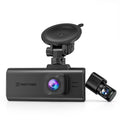
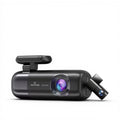
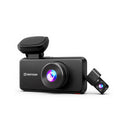
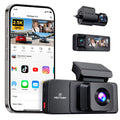
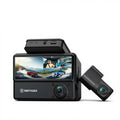
A dash cam acts as a silent helper that records every move you make. It captures the truth of a crash and shows who was at fault with clear video. Choosing the best dash cam for road trip driving can also help you document scenic routes, unexpected incidents, and important evidence during long summer journeys. This tool is a top choice for summer road trip safety in the modern world.
Your car is a target for thieves when it sits full of bags in a strange parking lot.
Park your car in well-lit areas near the entrance of the hotel or the store. Thieves like the dark and will avoid a car that sits in the light of a lamp. A busy area with many people around is a much safer choice for your vehicle.
Keep your bags, tech and coins out of view or take them into your room. Use a blanket to cover items in the back if you cannot move them inside. A car that looks empty is less likely to have a broken window when you return.
A dash cam with a parking mode can watch your car while you sleep or eat. It records if someone hits your car or tries to break a lock while you are away. This tech gives you the proof you need to catch a thief or a hit-and-run driver.
A few hours of prep can be the difference between a bad ordeal and a great summer adventure. You have the power to protect your family by following these simple steps for summer road trip safety. Check your car, plan your path and stay alert as you drive through the sun. A Redtiger dash cam serves as the silent co-pilot that never blinks during your long journey.
If you want to prepare more effectively for long journeys, it is also worth reviewing your road trip essentials before departure, including safety gear, emergency tools, and in-car equipment.
You should check your tires and fluids before you leave. Stay hydrated and take a break every two hours to keep your mind sharp and your body fresh.
Look at the battery and the air system first. Make sure your tires have enough air and deep tread to handle the hot roads and heavy rain.
Pack a kit with water, a first aid box and tools. Add jumper cables and a light to help you if your car fails in the dark.
A camera records every mile and provides proof if a crash happens. It also watches your car in parking lots to prevent theft and record hit-and-run events.

