




















Long Distance Driving Tips: Stay Safe and Confident
|
|
Time to read 8 min

Help Center
Get help with setup, updates, and information

Track My Order
Check Your Package Tracking Status Online

Learn About Dash Cam
The Latest Dash Cam News and Information

Redtiger Player
Play the videos you've recorded on your PC

REDTIGER CAM APP
Download the Redtiger app and use it via a Wi-Fi connection
 Channel
 Sensor
 Video Resolution
 Display
 Lens Aperture
 HDR/WDR
 Wi-Fi
Wi-Fi
 Touch Screen Control
 Voice Control
 Parking Mode
 NiteGuard ™ Parking Mode
 Night vision capability
 GPS Logger
 G-sensor
 Loop Recording
 Storage
 CPL Supported
 Mounting Type (Default)
 Battery & Charging
 Working Temperature
We provide comprehensive pre-sales and after-sales service.

Redtiger offers free shipping on orders totaling $50 or more. We recommend purchasing shipping protection to safeguard your package and money.

Redtiger offers a 30-day money-back guarantee. You may contact us for a no-questions-asked return within 30 days of receiving your order.

Ordering a dashcam through the Redtiger official website entitles you to an additional 6-month extended warranty. This brings the total warranty period to 24 months.

Redtiger provides 24/7 customer service. You can contact us via email or call our customer service hotline directly.
No need to worry about after-sales service—we provide comprehensive after-sales support.
We offer free shipping on qualifying orders with no hidden fees or surprise charges.
Most orders are processed within 1–2 business days and shipped through trusted carriers to ensure safe and timely delivery.
You’ll receive tracking details as soon as your order ships, so you can follow it every step of the way.
From checkout to delivery, we make the process simple and worry-free.

Your satisfaction comes first. If you’re not completely happy with your purchase, you can request a return within 30 days of delivery.
Simply reach out to our support team and we’ll guide you through the process.
Once your item is received and inspected, your refund will be issued promptly according to our policy.
Shop with confidence knowing your purchase is protected.

We use industry-standard encryption and trusted payment providers to protect every transaction.
Your personal and payment information is securely processed and never stored or shared without authorization.
Multiple secure payment options are available for your convenience, so you can complete your purchase with total confidence.

Have a question? We’re here to help.
Our dedicated customer support team responds quickly and provides clear, helpful solutions — whether it’s product guidance, order updates, or after-sales support.
We’re committed to delivering a smooth experience before and after your purchase.
|
|
Time to read 8 min
Planning ahead and having the right attitude can make a big difference when you're getting ready for a long drive. Things like being tired, uncomfortable, or having problems you didn't expect can quickly ruin the fun and make your trip stressful. You will know how to get to your destination safely, refreshed and happy, with the right long-distance driving tips.
You should check your car from top to bottom before you leave for a long trip.
Make sure your oil, coolant, brake fluid, windshield washer fluid, and transmission fluid are all full. Before you leave, make sure that none of these fluids are low. Your car won't overheat or have other problems if it has the right amount of fluids.
Check the air pressure in your tires to make sure it matches what the sticker on the inside of your car door says. Make sure you have a good spare tire, a jack, and a lug wrench, and check the tread for wear. Taking care of your tires keeps you safe and saves you money by making your car use less gas.
Check your brake pads to see if they are worn out. Your car's brakes should stop it quickly and smoothly. Make sure other drivers can see you at all times by turning on your high and low beams, tail lights, and brake lights. This test is very important if you plan to drive at night or in bad weather.
Find out how old your battery is. You should check your battery for a full charge if it is three to five years old. Remove any rust from the battery terminals. You want your car to start every time, even if you stop eating or resting.
Take a close look at the hoses and belts in your engine. You don't want to see cracks, shiny spots or soft, bulging areas. If you see any damage, replace the part before you leave. You won't have to wait for a tow on the side of the road if you do this.
Check that your windshield wipers work well to get rid of water. Install new blades if some streaks or spots are missed. When it rains or snows, good wipers let you see clearly. This small thing can make you feel a lot safer on the road.
Fill up your gas tank the night before you leave. You won't have to look for gas first thing in the morning, so you can leave your house faster and feel better about your trip. Less stress at the beginning helps you stay on task.
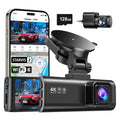
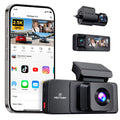
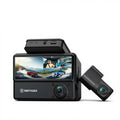
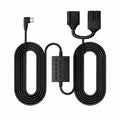
Install and test a dash cam before long-distance driving. It continuously records road conditions and provides useful video evidence in case of unexpected incidents. A dash cam also enhances driving awareness by capturing real-time traffic situations and preserving footage automatically during long trips.
Planning your trip helps you avoid problems and makes you feel a lot less stressed.
Plan your route with a GPS or a map and make sure you know where gas stations and rest stops are. This keeps you from having to look for places when you're tired.
Things like delays, bad weather or closed roads can happen that you didn't expect. If you have a backup plan, you won't be as worried if things change.
Leave enough room between your car and other cars. Be careful around big trucks and in areas where there is roadwork. Drive at a safe speed and look far ahead.
It's dangerous for you and others to get tired behind the wheel. Get a good night's sleep before you leave and plan to take a break every two hours.
You might yawn a lot, drift out of your lane or have trouble concentrating. If any of these things happen, you should take a short walk, nap or snack.
Instead of big meals, eat small ones. When you drive, it's not safe to be sleepy which can happen when you eat a lot of heavy foods or take some medicines.
It can help for a short time, but don't depend on it alone. Stop and rest before you get back on the road if you start to feel tired.
When driving alone, the most important safety factor is making sure someone knows your trip plan and can check on your well-being if something goes wrong.
Sharing your route and arrival time with a friend or family member helps you stay safe and connected. You shouldn't tell people where you are right now on public sites.
Always lock your car doors when you stop and choose places that are busy and well-lit. Before you go inside, take a look around.
Listen to interesting music, podcasts or audiobooks while you drive alone. Since you can't switch drivers, you should change your seat and take breaks more often when you start to feel tired.
It's harder to see things when you drive at night. It's hard to see animals or people because your eyes have to work harder. You might be more tired because it's normal to want to sleep after dark.
When there are no other cars around, use your high beams. When you see other cars, switch to low beams. More light helps you see dangers, but you don't want to hurt anyone else's eyes.
Before driving at night, make sure your windshield, mirrors and headlights are clean. Dust and streaks make glare worse and make it hard to see the road.
Take your time and keep a bigger distance between your car and others. At night, you have less time to deal with surprises.
You need to keep your pets safe and calm in the car. If you stop quickly, they won't get hurt if you have a strong, secure carrier.
Put your cat or small pet in a carrier that won't move around. Don't let animals run free in your car while you're driving.
Take breaks every few hours to go to the bathroom and drink water. When you stop for gas or tolls, keep an eye on your pet's carrier so they don't get out by accident.
Keep an eye on the temperature inside your car. If it's too hot or too cold, your pet could get sick. Don't ever leave your pet alone in the car, even for a minute.
If you learn how to drive well, your trips will be more relaxing and fun.
When you stop for gas or food, you should also use the bathroom and stretch. You might not know when the next good stop will happen. Getting up and moving around can help you stay awake and ready for the next part of your trip.
Some people drive in ways that can make you angry, like honking or tailgating. Don't let what they do get to you. Be patient and keep your mind on driving safely.
Be careful about your speed, especially on long stretches where it might be easy to go over the limit. Using cruise control when safe can help. Staying at a steady speed also saves gas and keeps you from getting tickets.
Always keep an eye on what's going on around your car, especially police cars. Obey all traffic laws, signal when you turn, and don't change lanes or stop suddenly. Driving carefully means fewer stops and less stress on the road.
Before you leave, set up your phone so you can make calls without using your hands. You can see the maps on your phone, but don't touch it while you're driving. Only respond to messages after you have parked. This little habit keeps you safe from accidents and fines.
Keep an eye on the cars in front of you and behind you, and keep checking your mirrors. If you see traffic slowing down or people switching lanes, you'll have time to make good decisions. Being aware of what's going on helps you stay safe.
A successful long-distance road trip starts with proper preparation and consistent safe driving habits. Checking key vehicle components such as fluids, tires, brakes, battery, and wipers helps reduce the risk of unexpected breakdowns. Careful route planning, regular rest breaks, and awareness of fatigue all contribute to a safer and more comfortable journey. Dash cams also add an extra layer of safety by recording road conditions and providing useful evidence in case of incidents. For drivers who want additional protection and travel documentation, a dash cam from Redtiger can be a practical option to support long-distance driving confidence.
Having good posture, planning your trip and taking breaks often are all ways to improve your skills. Every trip makes you feel more at ease and confident with the long hours.
You should take a break about every two hours or every 100 miles during a long drive. Short stops to stretch, walk around, and rest help reduce fatigue and improve driving focus. For more detailed long-distance driving safety advice, read how frequently should you take breaks when driving long distances.
Dash cams show you what happened, remind you to take breaks and can help with insurance if you need it. One camera keeps you safe the whole time you're on your trip.
Yes, it can be safe as long as you tell someone you trust about your trip, be careful at stops and take breaks often. Being aware and taking breaks are very helpful.
Check the fluids, battery, wipers, brakes and tire pressure. Always fill up your gas tank the night before and check that your spare tire is in good shape.
