







Car Accident in Rain: What to Do and How to Stay Safe
|
|
Time to read 7 min

Help Center
Get help with setup, updates, and information

Track My Order
Check Your Package Tracking Status Online

Learn About Dash Cam
The Latest Dash Cam News and Information

Redtiger Player
Play the videos you've recorded on your PC

REDTIGER CAM APP
Download the Redtiger app and use it via a Wi-Fi connection
 Channel
 Sensor
 Video Resolution
 Display
 Lens Aperture
 HDR/WDR
 Wi-Fi
Wi-Fi
 Touch Screen Control
 Voice Control
 Parking Mode
 NiteGuard ™ Parking Mode
 Night vision capability
 GPS Logger
 G-sensor
 Loop Recording
 Storage
 CPL Supported
 Mounting Type (Default)
 Battery & Charging
 Working Temperature
We provide comprehensive pre-sales and after-sales service.

Redtiger offers free shipping on orders totaling $50 or more. We recommend purchasing shipping protection to safeguard your package and money.

Redtiger offers a 30-day money-back guarantee. You may contact us for a no-questions-asked return within 30 days of receiving your order.

Ordering a dashcam through the Redtiger official website entitles you to an additional 6-month extended warranty. This brings the total warranty period to 24 months.

Redtiger provides 24/7 customer service. You can contact us via email or call our customer service hotline directly.
No need to worry about after-sales service—we provide comprehensive after-sales support.
We offer free shipping on qualifying orders with no hidden fees or surprise charges.
Most orders are processed within 1–2 business days and shipped through trusted carriers to ensure safe and timely delivery.
You’ll receive tracking details as soon as your order ships, so you can follow it every step of the way.
From checkout to delivery, we make the process simple and worry-free.

Your satisfaction comes first. If you’re not completely happy with your purchase, you can request a return within 30 days of delivery.
Simply reach out to our support team and we’ll guide you through the process.
Once your item is received and inspected, your refund will be issued promptly according to our policy.
Shop with confidence knowing your purchase is protected.

We use industry-standard encryption and trusted payment providers to protect every transaction.
Your personal and payment information is securely processed and never stored or shared without authorization.
Multiple secure payment options are available for your convenience, so you can complete your purchase with total confidence.

Have a question? We’re here to help.
Our dedicated customer support team responds quickly and provides clear, helpful solutions — whether it’s product guidance, order updates, or after-sales support.
We’re committed to delivering a smooth experience before and after your purchase.
|
|
Time to read 7 min
You know how hard it is to drive in wet weather. A car accident in rain or a car accident in the rain can happen to anyone, even if you are a careful driver. Roads get slippery, and it is harder to control your car. If you ever face a car accident in rain, good proof is important for your claim. This is where your dash cam becomes very helpful. You want to protect your family and your future.
Table of contents
When you look at the numbers, you see how many people face risk in the rain. Wet roads are the main reason for about 75% of crashes caused by weather in the United States. More than 860,000 accidents each year happen on wet roads, and about 4,050 of them lead to death.
A car accident in rain is common, so you must treat wet roads with respect. You need to slow down, give more space, and be ready for these risks. Driving in rain will always be harder and you need to know why.
If you want to drive safer, you should know what dangers rain brings. A car accident in rain is more likely because of many reasons.
When too much water collects on the road, your tires lose touch with the ground. This is called hydroplaning. In this situation, your car can start to slide out of control and you are not able to steer it. Hydroplaning is very dangerous and is a common cause of a car accident in the rain. Make sure that your tire treads are not worn out.
Wet roads make your tires slip much more easily. It takes longer for your car to stop when you hit the brakes. If you do not have enough space between your car and the one in front, a crash can happen fast. A car accident in the rain often occurs for this reason.
When the rain is heavy, it is hard for you to see far ahead. You may get water or mist on your windshield. The spray from other cars can cover your windows. This makes it tough to see other cars, the edges of the road, or even traffic lights. A car accident in the rain can happen because you do not see a car stopping or turning.
After a long dry spell, all the oil and dirt from cars stay on the road's surface. When it finally rains, this stuff mixes with the water and makes the streets really slippery. Studies say the chance of a deadly crash goes up 3.7% when it rains for the first time after a couple of dry days.
You can make simple changes to your habits to lower your chances of a car accident in rain.
When you see wet roads or rain on your windshield, slow down before you get into trouble. Driving too fast is a major cause of a car accident in rain. If you slow down early, you give yourself more time to think and stop. Keep a bigger gap between your car and the one in front of you. Be gentle when you turn the wheel or press the brake pedal.
Before you hit the road, look at your wiper blades. Good wipers clear rain off fast. Make sure your headlights work so other drivers can see you. Use your car's defroster to keep windows from fogging. Raise the pressure in your tires, check the tread depth, and always keep them at the right level.
If a car accident in rain happens, it is easy to panic. But the best thing you can do is stay calm and use clear steps to help keep you and others safe.
First, make sure you are not in danger. Check yourself and anyone else in your car for injuries. If you can, call emergency services right away. If it is safe and your car can move, drive it off the street or road. Sitting in a dangerous spot after a car accident in the rain puts you at risk for another crash.
You should always turn on your hazard lights after a crash. This warns others about your car, especially if it is raining or dark. Preventing another car accident in rain is just as important after your own crash. Even if visibility is low, hazard lights show others that you are there.
Start taking photos or videos if you can do this safely. Write down details about what happened and exchange contact and insurance info with the other driver, but do not admit you caused the crash.
For a quick checklist of what to document and what to say (and not say), see this guide on what to do after a car accident.
When you have a dash cam in your car, you get footage that acts as a neutral witness. The video shows everyone what actually happened during your car accident in the rain.
A dash cam records what lane your car was in, how fast you were going, and when you hit the brakes. When you want to show exactly what you were doing, this footage helps show that you were not speeding or driving carelessly. It will even show what happened a few seconds before the crash.
With a dash cam, you can show how terrible the weather was during your car accident in rain. It records the heavy rainfall, puddles on the street, or traffic slipping around you. If someone says you are at fault because you are driving too fast, your camera helps show that your speed matched the conditions.
Getting a good video during rainy weather is tough. Water drops on your windshield may blur the image, and lights from cars or street lamps can shine too much and hide important details. You depend on your dash cam to help you after a crash.
Rain creates blurry spots in your camera's view, so important things like license plates get hard to read. When the wipers go back and forth, they can block the camera for a second at a time. Some cheap dash cams do not handle this very well.
If you want your videos to be helpful, choose a dash cam that records clear footage even when you have rain and glare from headlights. A high-quality camera will help you keep useful proof if you ever need to fight your case or make a claim.
Rainy footage fails for three reasons: low light, glare off wet roads, and water plus wipers softening or blocking details. If you want a video that is actually useful after a crash, focus on the features below.
What to look for:
Quick tip: Do not shop by "4K" alone. In rain, contrast control and low‑light clarity are what make footage usable.
Rain changes everything. Wet pavement cuts traction, visibility drops fast, and small mistakes turn into big crashes. If you do get into a rain‑related accident, clear documentation matters because glare, spray, and poor lighting can make fault harder to sort out. That is where a dash cam earns its place. A camera that stays clear in low light and controls glare with WDR and HDR can capture the details that often decide a claim, such as lane position, braking timing, and what the road looks like in the moment.
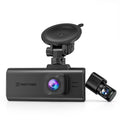
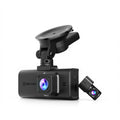
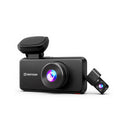
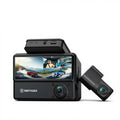
If you drive in rain often, check out Redtiger dash cams built for tough visibility and choose a setup that gives you usable footage when conditions are at their worst.
Yes. Wet roads reduce traction and increase stopping distance, so crashes become more likely. Slow down, increase following distance, and avoid sudden braking.
Yes. Rain reduces visibility and can blur details like lane position and timing. If you have dash cam footage, it can help clarify what happened when accounts conflict.
Document the scene and the basics right away. Get photos or video of vehicle positions, damage, road and weather conditions, and traffic signals, plus driver and witness info.
Usually yes. Many insurers accept dash cam video, especially when it clearly shows the sequence of events. Save the original file and back it up before you share it.

